Sing with AI: Blob Opera, where you lead and the blobs harmonize
Drag one blob up and it sings higher; the others answer in harmony. Blob Opera, by David Li with Google Arts & Culture, turns machine learning into a choir you conduct with one finger.
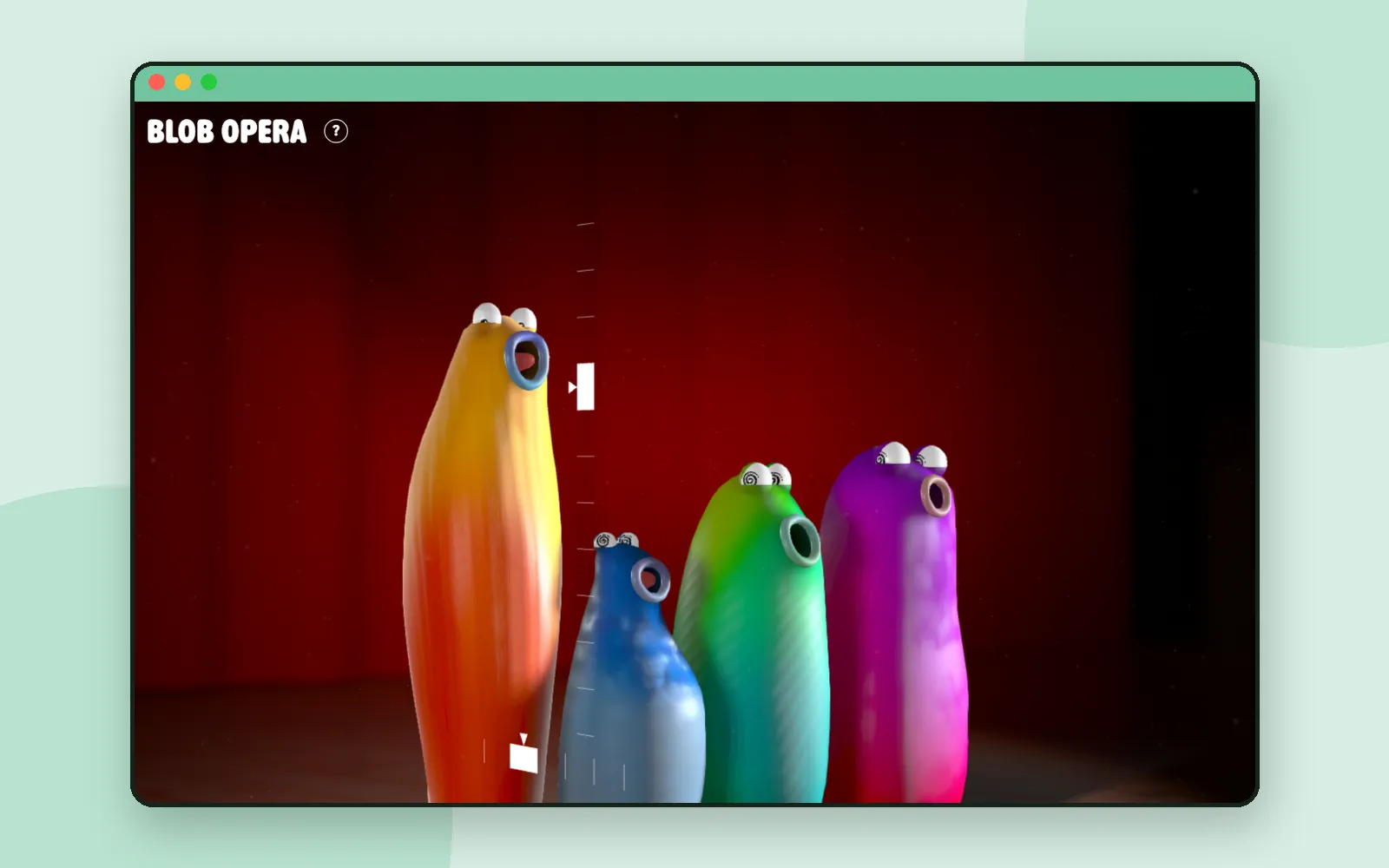
Most AI tools ask you to type something. Blob Opera asks you to drag a blob. Pull one up and it sings higher; the others hear it and answer in harmony.
It was made by David Li with Google Arts & Culture, and the machine-learning part is the choir itself: you only lead one voice, and the rest decide how to fit around it. Here is how it goes. 🎶
Opening it
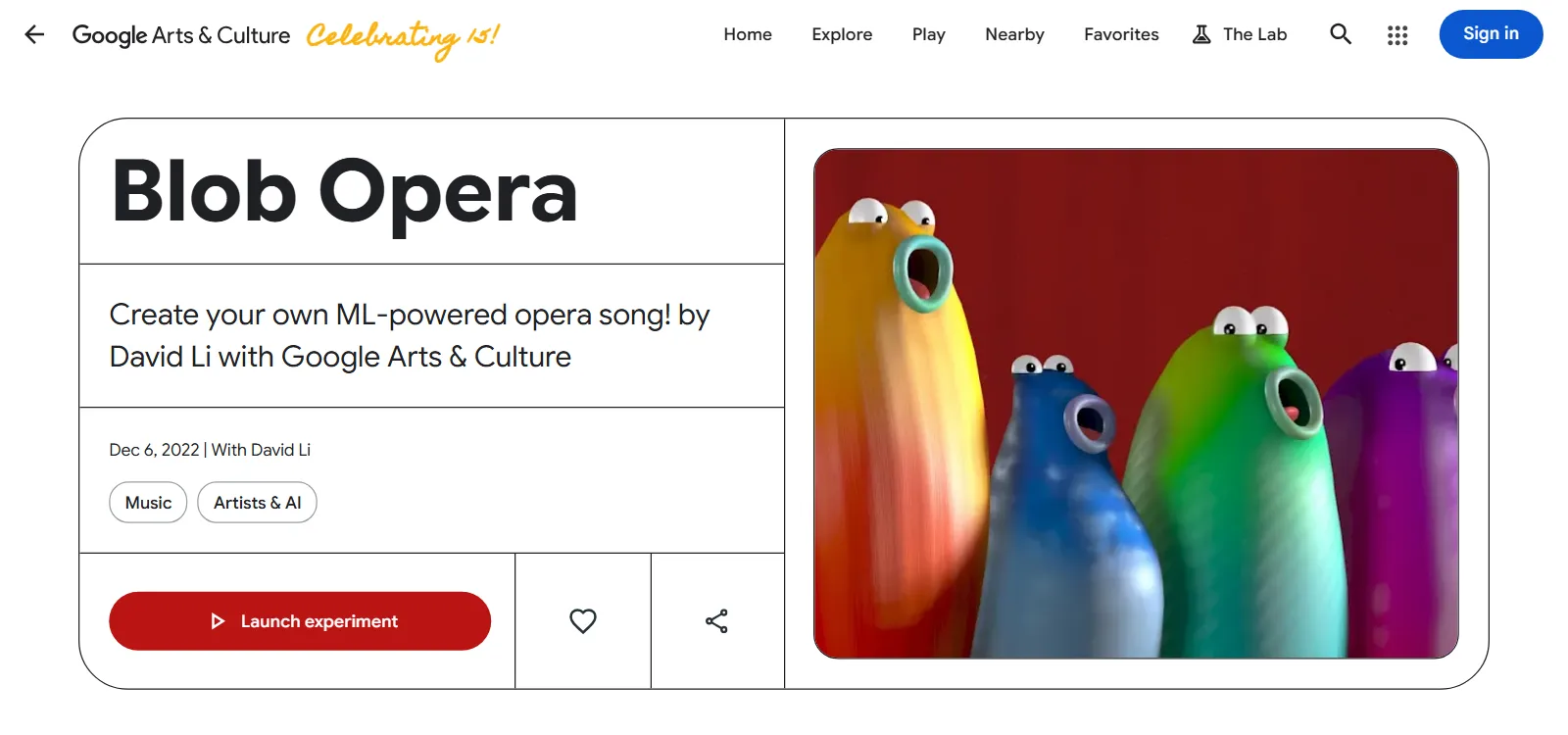
Blob Opera lives on Google Arts & Culture. The page’s menus and buttons appear in your language, and the red button launches the experiment. Turn the sound on first. This is all about listening.
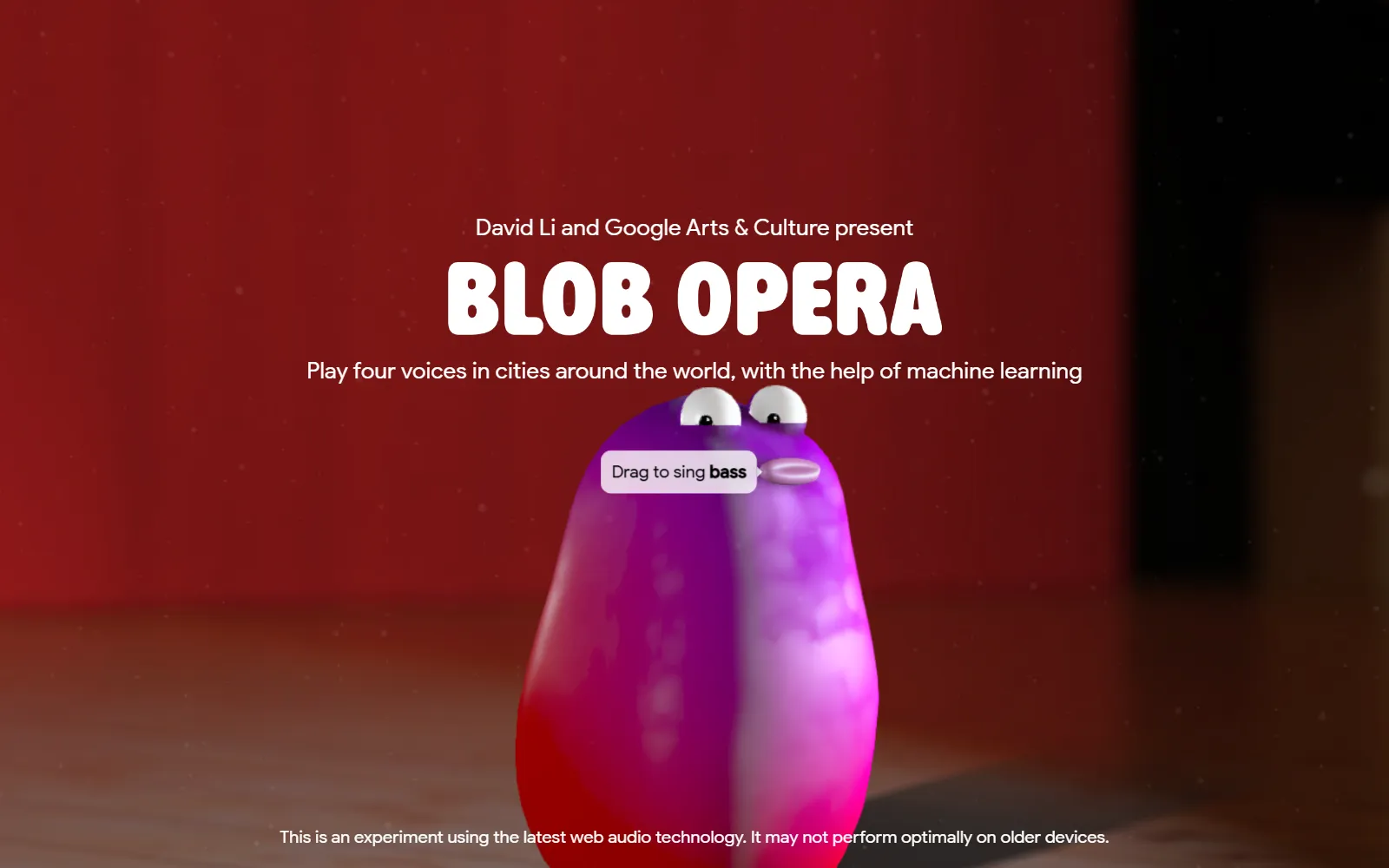
The experiment’s own screens are in English, but there is nothing to read in order to play. The first hint is simply a blob asking to be dragged.
The choir
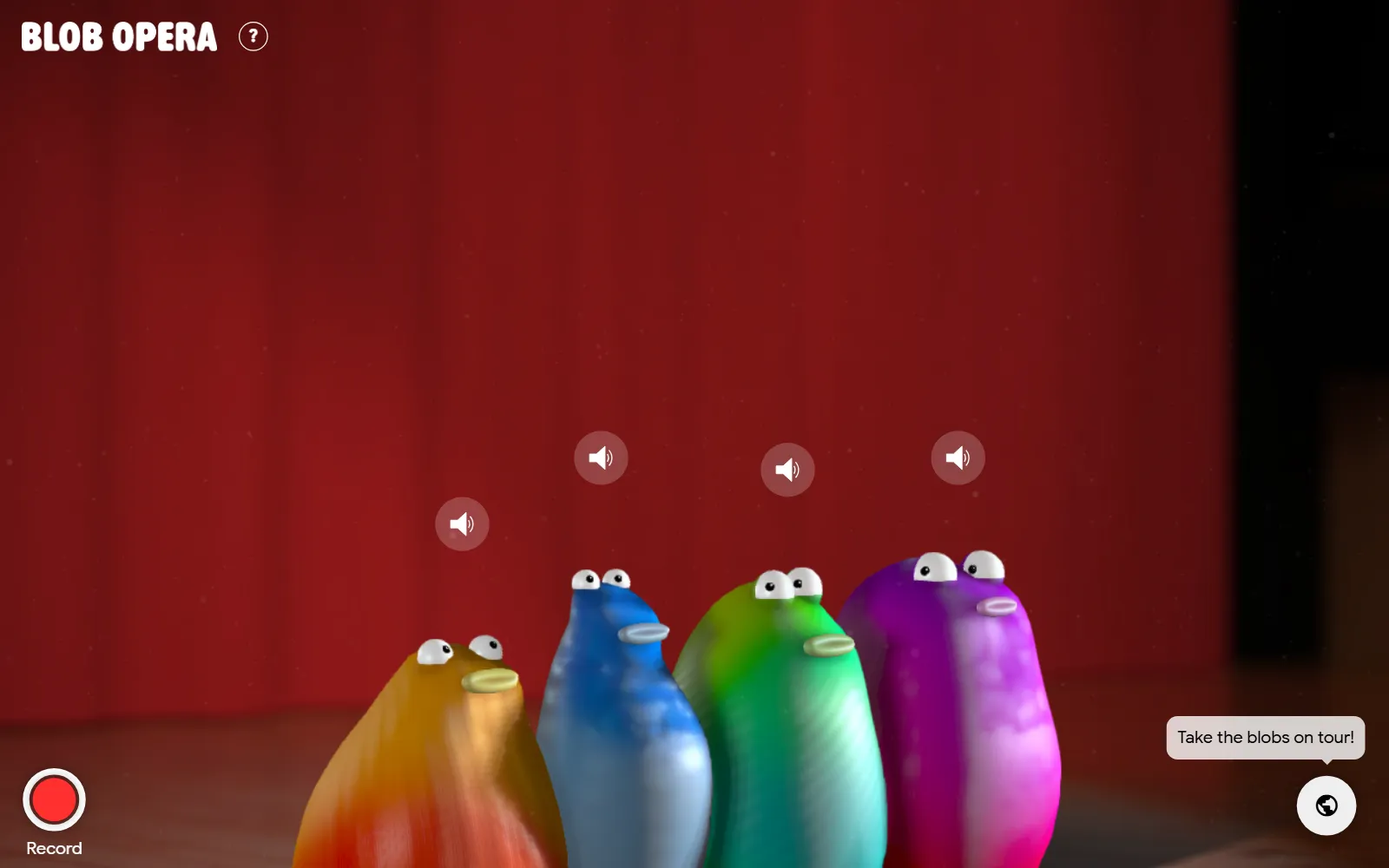
After the short introduction, the blobs stand side by side on the stage, each one a different voice from high to low. Nothing happens until you touch one.
Drag up, and the others join in
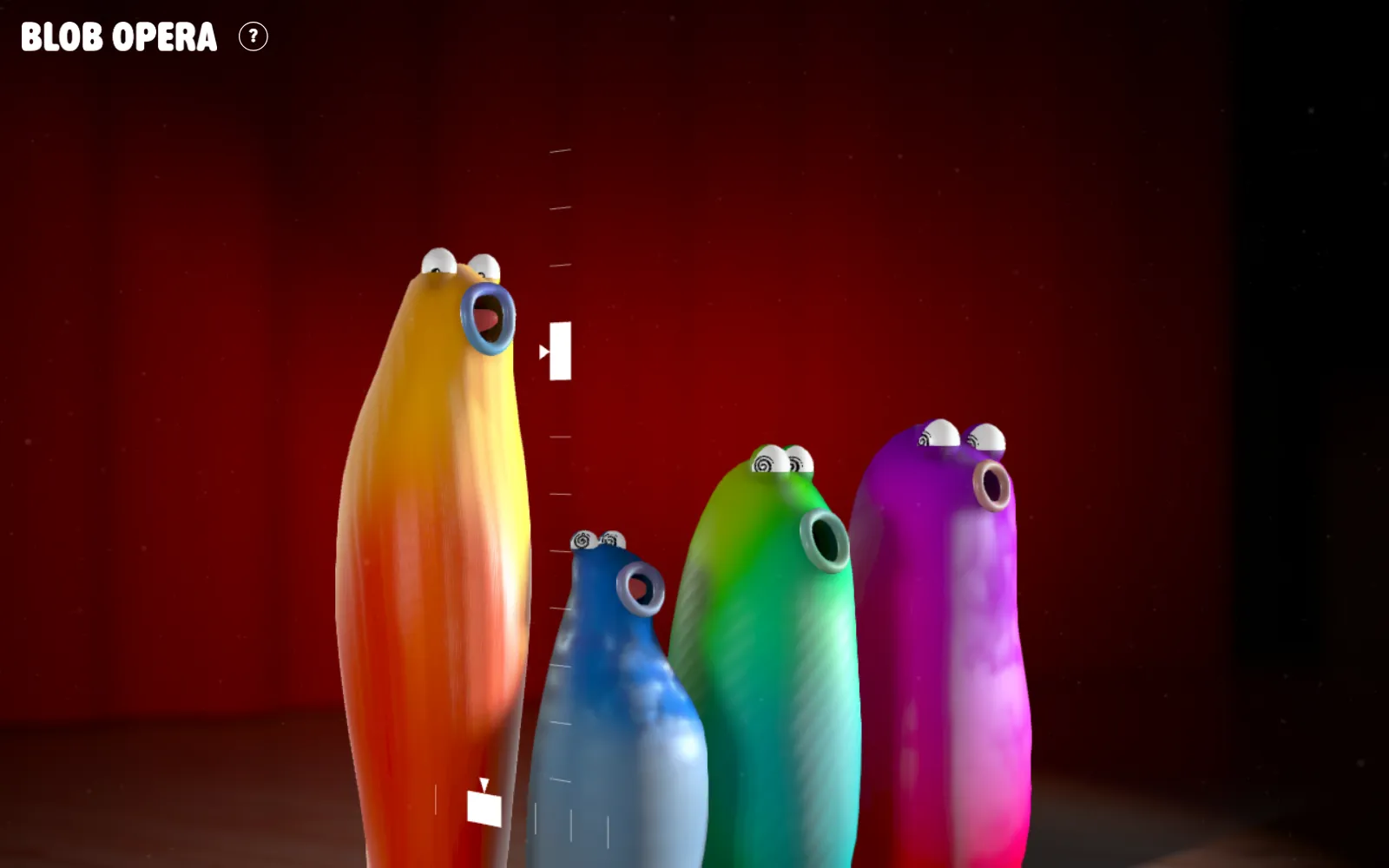
Press on a blob and pull it up. It stretches tall and sings a higher note. At the same time, the other blobs open their mouths and sing with it.
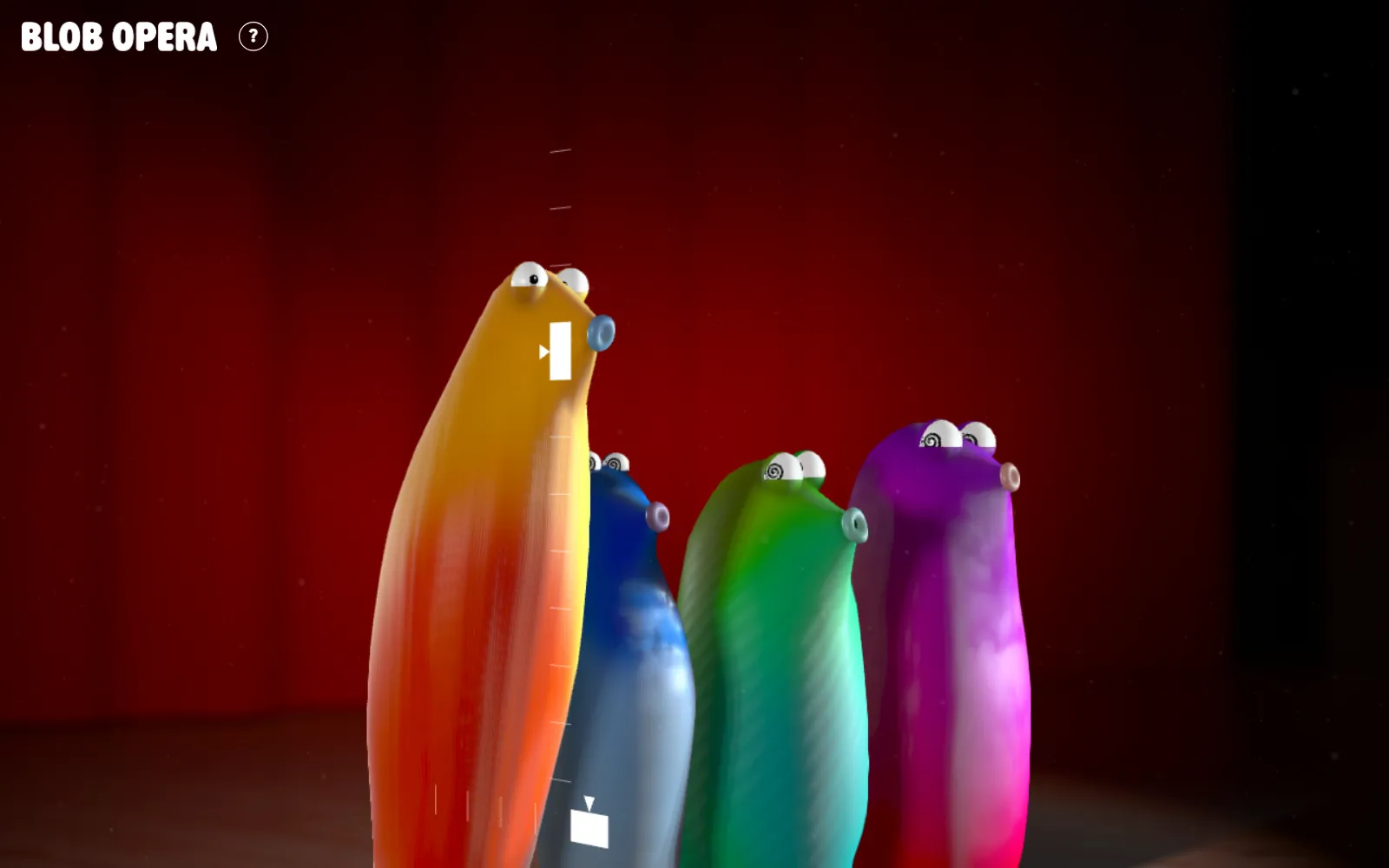
Keep holding and move sideways, and the vowel changes: ah, eh, ee, oh, oo. Watch the mouths. They change shape with the sound.
That is the part worth pointing out to a child. You chose one note. You did not choose the others. Something listened to your note and decided what would sound good with it. That something was trained with machine learning.
More to find on the stage
There is a Record button for keeping a short opera of your own, and a globe that takes the blobs on tour to different places. Both are worth a look once the first few notes have been sung.
More like this
For another AI that turns something rough into something finished, try AutoDraw: let the machine guess what you scribbled. And to see how a picture-making AI actually works, read From mess to picture: how a picture-making AI actually draws.
Frequently asked questions
How do you play Blob Opera?
Drag a blob up and down to change its pitch, and side to side to change the vowel it sings. The other blobs join in with harmony as you go.
Who made it?
David Li with Google Arts & Culture. It opens in the browser from the Google Arts & Culture page, and AI Teading has a page introducing it.
Does a child need to read or type?
No typing at all. You play by dragging. The few hints on the stage are in English, but you can play without them.
Can we keep what we made?
There is a Record button on the stage for recording your own short opera.